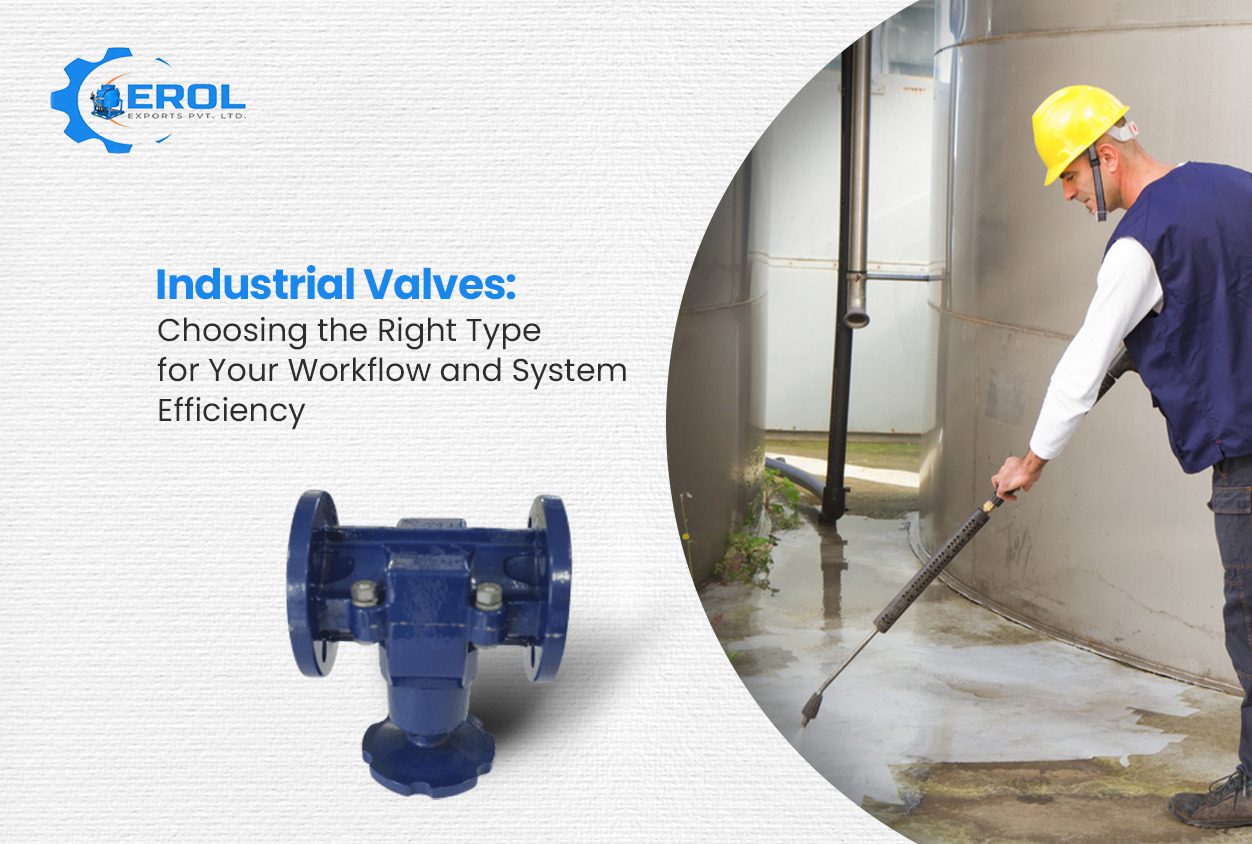
Industrial systems depend on precision! Whether the objective is to regulate flow, control pressure or maintain safety, the valve used for operation becomes a key component. Choosing the right industrial valves ensures smooth workflow and consistent system behaviour, especially in operations where reliability determines output.
At its core, an abrasive metering valve acts as a gatekeeper. It decides what moves through a pipeline, how fast it moves and whether it stops entirely. A wrong choice here does not just affect performance. It leads to safety risks, pressure loss, or unplanned maintenance.
This post details the different types of valves, and how industrial systems require certain valve features for efficient blasting operations. It also guides you on the factors to consider before you purchase an industrial valve for your application.
Each valve comes with its own logic. While they may seem similar from the outside, their internal mechanics serve different functions. Understanding this difference helps avoid mismatches and improves long-term system efficiency.
Every industrial setup involves different pressures, media types, and performance tolerances. A plant handling slurry will never require the same valve design as a food-grade system or compressed air line. Matching a valve type with its real-world utility ensures equipment longevity and flow integrity across operations.
Erol Exports is a global provider of abrasive air blasting equipment certified to ASME, DOSH, MOM, and CRN standards. The company also manufactures CE-marked pressure vessels integrated with metering valve systems suited to specific operating conditions. With 30 years of in-house manufacturing expertise, they deliver high-quality abrasive blasting machines and equipment that meet applicable certification requirements.
While valve types define function, system conditions determine if that function performs as expected. It is important to study certain conditions before selection.
Erol Exports manufactures complete blasting and recovery systems where each component, including industrial valves, is tailored to maintain flow precision. Their clients in high-pressure surface preparation rely on valves that can handle sudden shifts in flow dynamics
Efficiency is often viewed in terms of energy saved or output increased. However, in certain industrial systems, a significant part of efficiency is derived from reliability. A valve that performs well under varying pressure and changing media conditions reduces the downtime and required repair cycles. Delays caused by a valve failure or leakage often lead to system-wide losses for abrasive blasting suppliers and industrial units alike. By working with a valve that suits your workflow, such risks can be avoided altogether.
It is also important to remember that industrial valves are part of a larger unit. Their behaviour affects the compressor, pump, dryer or nozzle performance that comes before or after them. This interdependence means a poor valve choice may quietly disrupt overall output over time
Standard product catalog may not always match your actual system complexity. Workflows involving multiple media, variable temperatures or constant pressure shifts benefit from custom-designed valves that become a part of integrated blasting systems. Erol Exports industrial valves demonstrate high compatibility with international standards, tested under tough environment conditions close to an actual plant setting. For engineers dealing with bulk blasters, recovery units or ventilation systems, such compatibility reduces adjustment efforts and improves operating consistency.
A gate valve is designed for full open or close. A globe valve is used where fine flow control or throttling is required
Systems handling abrasive media like sand blasting benefit from ball valves or specialised valves with high wear resistance and tight sealing
Valve material determines durability. It must resist corrosion, temperature or abrasion based on the fluid or gas it controls